Centred Leadership

This is a great video on  how remarkable women lead from Joanna Barsh. I found this clip and the whole body of work very inspiring. I believe leadership happens at all levels- this video is relevant to you wherever you are in your career.

I came across this video through the work of Sheryl Sandberg the founder of the lean in movement. I’ve talked lot about lean in,  in previous posts and, have run a lean in circle myself. I’m an advocate.

Once you have a look at this overview video, I highly recommend that you take the time to look at the whole series  – there are 7 videos: http://leanin.org/education/.

If you’re not already joined up to a circle this might be a great time to join.

Enjoy!

How to lead yourself first

This is a great video about dealing with resistance to change, from elite athlete coach Tod Herman.

Tod is a Sport Psychology consultant to Professional and Olympic athletes.

In this video, Tod and Marie explore growth, confidence and adventurer. Tod offers 5 clear steps to successful change:

1. Get clear on what you want to achieve
2. Set trigger goals that lead to you tacking action
3. Set micro goals where you can track improvement
4. Have a support team around you
5. Plan how you will deal with challenges ahead of time.
Know what to do when things are not going well!

Join the Strengths Revolution

What is this video about?

This is a Tedx WhitehallWomen talk by Andy Woodfeild, a partner at PWC . In his this video, Andy takes us through his career journey to illustrate the power of working with your strengths.

How is this different?
Andy explores the tensions between fitting in and being yourself and how this can lead to performance anxiety. He challenges the notion that a focus on your weakness is the best way to go, to be a success in your job.

How this can help?

Andy walks us through the benefits of focusing on your strengths and strengths of others. First, people are happier at work. Second, evidence shows it mutes unconscious biases such as those relation to gender ethnicity for example. Third, by exploring strengths, this helps people to tackle their weaknesses more productively.

If you want to join the strengths revolution Andy advises:

• Let yourself believe that you have unique strengths
• Ask people for strengths based feedback -when they saw you at your best
• Give people strengths based feedback
• Create more spaces to discuss strengths and shut down spaces that are conversations solely focused on what is wrong with people

Feel motivated at work – the quick how to guide

What is it:

Dan Arley’s engaging talk unpacks what motivates us to labour, to work. Dan demonstrates work without end, with repitition and no purpose is the most de-motivating.  At the other end of the spectrum, work which has meaning (not the highest paid), is the most motivating.

How is it different:

This is one of the longer Ted talks at 20 minutes. That said it is well worth it. To illustrate his work, Dan provides engaging and charming examples. 

How it can help:

Dan’s very practical talk provides interesting food for thought about motivation in the workplace. Below are the stand out ideas for me:

  • It can be helpful for us to think about our work as something meaningfull.  Such as creating something, overcoming a challenge or as part of our identity for example.
  • Effort that leads to an outcome has more of a driving effect than money – think of the furniture you have self assembled that you love!
  • Morph your effort when things go wrong – even when things don’t go to plan, morph it to another meaning to keep your motivation up.

Enjoy!

Get Walking – Get Productive

photophoto 2 (9)photo 3 (7)

photo

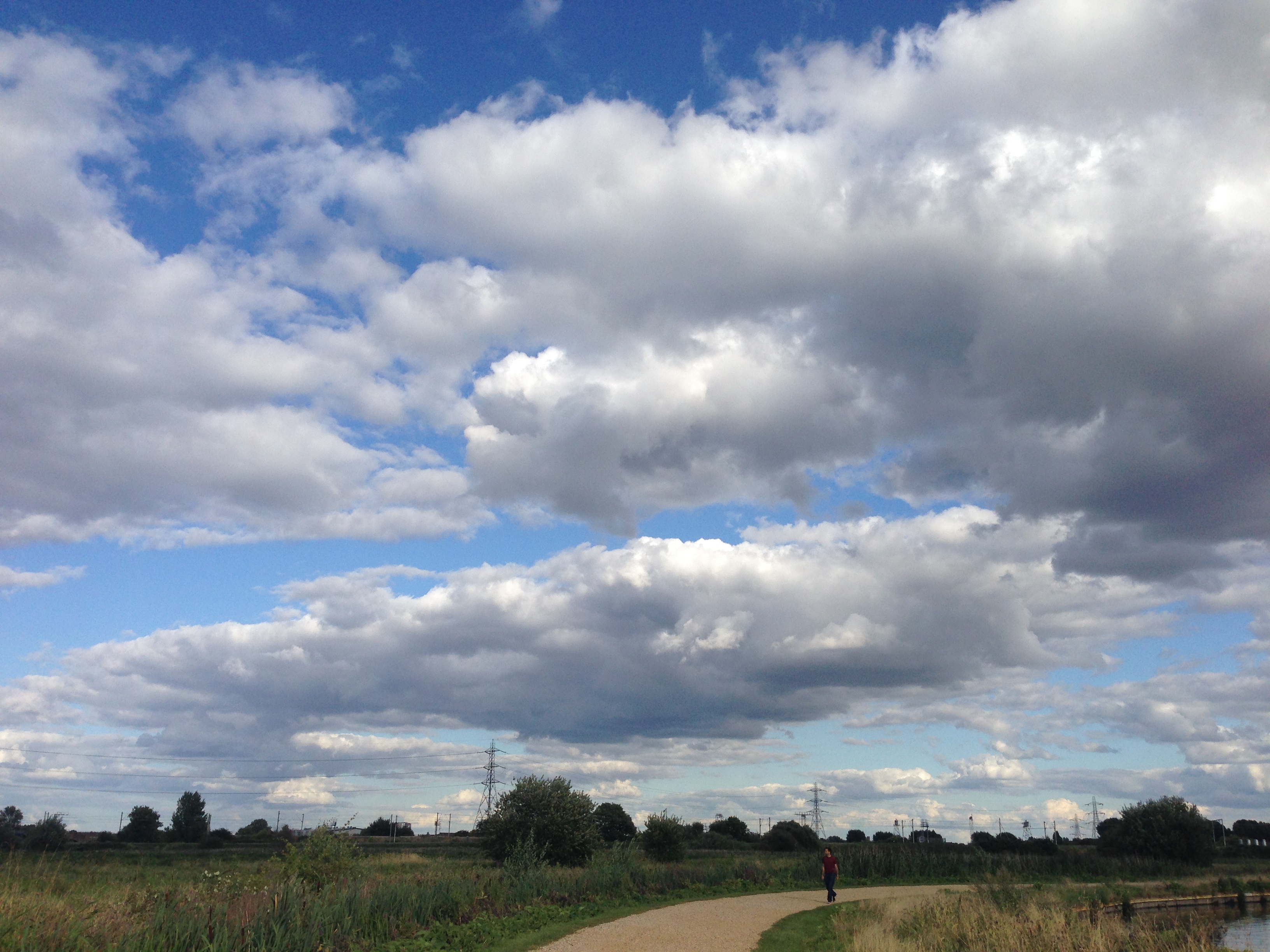
75 days ago, I set a 60 day challenge to walk 10,000 steps a day to boost my happiness levels and wellbeing and in turn improve outcomes at work.  The photos above are from my daily walks. I fit them in wherever I can – which is really great.

How is this different

I wanted to test the theories in the the Ted talks and see for myself and report back, rather than just curate what others have said. I wanted to answer the question, does being healthier really make a big difference at work.

How can it help

Well as you know this challenge was originally 60 days and I extended it to 90 days because I was so pleased with the impact. So what have been the benefits at work:

  • Greater levels of focus – helps with doing complex taks
  • Deeper sleep – great for early start sand getting more done in the day
  • Great way to mange change – in a work environment which has lots of change walking keeps me in a constructive mood.

Plus there are loads of other benefits:

  • its free-enough said on that one
  • its social – at the weekend I go on walks with my partner – its a fun way to catch up
  • its thinking time – its great to get out and think through things in a fresh way, a lot like Nilofer’s talk I highlighted in the last post but one.

Let me know how your doing. Not long till the 90 days are up!

Spend on your colleagues to be more productive

So you have been boosting your wellbeing at work, you are more productive and now you’ve been promoted. So what do you do with the extra cash? This talk may have the answer. Michael’s research show a clear link between spending money on others and increasing your happiness. This was found to be true in both wealthy and less well off countries. The amount is not significant, the link is still there if its a small or big spend.

Why it is different

Michael challenges the notion that money can’t bye you happiness. He suggest that money can make you happy – if you spend it right. It is an interesting look at  a new concept of pro social spending.

How it can help

Pro social teams are more productive according to Micahel. Teams that spend money on each other (rather themselves) are more productive and dominate there sector.  Also spending on others  like family, friends and your community will make you happier. He suggest a great website to sponsor resources in schools, check out http://www.donorschoose.org/.  Its an online charity that provides a platform to donate directly to projects at public schools.

Happy (social) spending.

Make a change in our body to have a more positive outcome


What is it
In the last post Sheryl called us to action, to ‘lean in’. Well, I think that it can be quite tough to one day, to decide to well, ‘lean in’. So in todays talk  I highlight the work of Amy Cuddy a researcher at Harvard. Amy I think, provides some helpful tips for our leadership journey by showing us, how we can generate confidence in ourselves.

How is it different
Amy talks about how non verbal communication can influence how we think. The talks shows the evidence behind our ability to generate our own confidence, improve our thinking and increase our optimism. Amy tells us that if we make a subtle change in our body , we can have more positive behavioural outcomes. Amy also talks from experience. This isn’t a purely academic talk. So watch out for the heartfelt personal story of  ‘impostor syndrome’ at the end.

How it can help
Amy provides the top tip to exude confidence for those all important events such as job interviews. Amy shows us how to stand in a high power pose  (check out the video), which essentially is open body language (in contrast to folding yourself up and making yourself small).  When you hold this pose for two minutes you become more assertive, confident and comfortable as opposed to stress reactive. So don’t hunch over your notes before a job interview.

Enjoy and get posing!

Productivity at work update -#90 days to cover the whole summer.

BIG BEN RIVER SCENE 1JPG RIVER SC2N2 2 PARK PATH SKY JPG


What is it

This week I have posted 5 photos from my #60 day 10,000 step challenge walks.


How is this different

Over the last couple of months we have been looking at the link between happiness and productivity at work. In my last but one post we looked at how walking 10,000 steps a day can boost our mood which, in turn boost productive at work. I decided to test it myself .


How ca it help

So whats the results so far I hear you say. Well, I have a lot more energy during the days – which means more productivity. I also find I have a higher frustration level, so way more relaxed. This is always helpful :). Im also thinking a lot more clearly. Im finding it so helpful, I’m extending the challenge to #90 days to cover the whole summer. 

How are you going? Do let me know!

Happy stepping!


Productivity at work- get social 

http://vimeo.com/99064419

What is this video about

Dr Emma Seppala  in a succinct and high impact video talks about the the benefits of social connection. Emma explains that after our basic needs have been met -such as food and shelter- connecting with others is our next biggest need. Its so important it is a major predictor of psychological and physical outcomes  such as recovery from disease and length of our life.

Why is this different

Given the data and research on what people value mosts, she challenges the idea that buying something, achieving something or getting recognition will drive our happiness levels. Social connection and the desire to be with others Emma tells us, is the truest source of fulfilment. Loneliness Emmas says is as worst  for us than obesity, smoking and diabetes.

How can this help

If happiness drives productivity at work and connection drives happiness- this link is helpful to understand. This video helps us think about the practical steps we can take to get happier in our day to day lives – connecting. Go on, make that call and arrange that lunch, it will pay dividends for your career in more ways than one I’m sure!

Enjoy getting social!